

3D PRINTING
3D Printing
custom
Des objets uniques, utiles et durables, fabriqués
au Québec avec soin. Décoration, organisation,
cadeaux personnalisés et prototypes simples :
donnez vie à vos idées en 3D.
fabriqué localement
easy customization
production soignée
livraison au Québec
Understanding
What is 3D printing?
3D printing builds an object from a digital file by adding material one thin layer at a time. In our workshop, a plastic thread (the filament) is melted and laid down precisely, layer after layer, until the object takes shape.
No mould
No mould needed: we can make a single piece, or just a few, with no setup costs.
Free-form shapes
Curves, patterns, organic shapes or hollow pieces: we can make shapes that are hard to achieve any other way.
Made to fit you
Size, colour, material, a first name or a small detail: the same design can be adapted to your needs.
The process
How it works, in 4 steps
From the screen to your hands, every object follows the same path.
The 3D model
Everything starts with a file that describes the object’s shape in three dimensions. We use an existing model, or create one from your idea.
Preparing the layers
Software virtually slices the model into hundreds of very thin layers and calculates the path the print will follow.
Printing, layer by layer
The filament is heated and laid down through a very fine nozzle. Each layer fuses to the one before it, from the base to the top.
Finishing
We remove the temporary supports, clean the piece and check it before handing it over to you.
Three words to know
Layer height
It’s the thickness of each slice. Thinner layers give a smoother surface and crisper details, but the print takes longer.
Infill
The inside of a piece usually isn’t solid: a grid or honeycomb structure makes it strong while keeping it light. We adjust it to how the object will be used.
Supports
Material can’t be laid down in mid-air. Under overhanging parts, we print small temporary supports that are removed by hand afterwards. They may leave slight marks.
Colour
Several colours in one piece
Each area: one solid colour
One object can be printed in several colours: the print switches filament along the way to colour each part of the model (eyes, a pattern, lettering…).
- Solid colour areas. Each part takes a colour from our palette, with a clean separation between colours.
- No gradients or blends. We don’t reproduce the shading of a photo: the colours follow the shapes of the model.
- More colours, more time. Each colour change makes the print longer.
- The colour is in the material. The colour goes all the way through, so it won’t chip.
Our materials
Which plastic for which object?
We print in three materials. Each has its strengths: the right choice mainly depends on where the object will live — indoors, outdoors, in the sun or in humidity. All our pieces are 3D printed in the colour of the filament itself.
Our main material · in stock
PLA
PLA is a plant-basedplastic, made from corn starch or sugar cane. It’s the most widely used material in 3D printing: it gives a clean finish, fine details and a very wide choice of colours.
- Strengths
- Precise, detailed finish, rigid, wide choice of colours, no odour when printing.
- Limitations
- Softens around 55–60 °C: it can warp in summer sun, in a car or near a heat source. Becomes brittle in freezing temperatures.
- Sun (UV)
- Low: colours may fade over time.
- Use
- Indoors.
- Typical uses
- Décor, sculptures, figurines, planter covers, desk organizers.
PLA colours in stock
- Black
- White
- Grey
- Red
- Orange
- Sunflower yellow
- Green
- Cobalt blue
- Purple
- Pink
- Cocoa brown
- Beige
Premium colours +3 $
Wood PLA (contains fine wood fibres, matte and textured finish) and marble PLA (speckled effect).
- Black walnut
- Birch
- Clay
- Ochre yellow
- Rosewood
- White marble
Made to order
PETG
PETG is in the same family as the plastic used for water bottles. Tougher and a little more flexible than PLA, it breaks less easily and handles heat and humidity better.
- Strengths
- Impact resistant, slightly flexible, holds up to about 70–80 °C, not affected by humidity.
- Limitations
- Slightly less fine detail than PLA, slightly glossy finish, more limited colour choice.
- Sun (UV)
- Medium: suitable outdoors under cover, but ASA is better in full sun all year round.
- Cold
- Good: stays tough in the cold.
- Use
- Indoors, and outdoors under cover.
- Typical uses
- Useful, functional objects: hooks, holders, storage, cases, bathroom items.
PETG colours available
- White
- Grey
- Dark grey
- Black
- Red
- Orange
- Yellow
- Cream
- Lime green
- Green
- Forest green
- Lake blue
- Blue
- Peanut brown
Made to order
ASA
ASA is an engineering plastic designed for outdoor use. It resists UV rays and the weather: it doesn’t warp in the sun and keeps its colours much longer than PLA.
- Strengths
- Excellent resistance to UV and rain, holds up to about 95–100 °C, strong in the cold.
- Limitations
- Satin to matte finish, fewer colours available.
- Sun (UV)
- Excellent.
- Cold
- Very good: handles Quebec winters.
- Use
- Outdoors all year round.
- Typical uses
- Outdoor pots and planters, bird feeders, garden pieces, small parts for the car or boat.
ASA colours available
- White
- Grey
- Black
- Red
- Green
- Blue
| PLA | PETG | ASA | |
|---|---|---|---|
| Indoor / outdoor | Indoors | Indoors, outdoors under cover | Outdoors all year round |
| Heat (softens around) | 55–60 °C | 70–80 °C | 95–100 °C |
| Sun (UV) | Low | Medium | Excellent |
| Frost | Becomes brittle | Good resistance | Very good resistance |
| Rigidity | Very rigid | Rigid, slightly flexible | Rigid and tough |
| Finish | Smooth and detailed (matte for wood PLA) | Slightly glossy | Satin to matte |
| Colours | 18 in stock | Made to order | Made to order |
Frequently asked questions about materials
Can I leave my object outside?
It depends on the material. PLA isn’t made for outdoor use: summer sun can warp it and frost can make it brittle. For an object that stays outside all year, choose ASA. PETG works outdoors if it’s sheltered from full sun.
Can I put it in the dishwasher?
No. Dishwasher heat can warp the piece, especially in PLA. Wash it by hand in warm, soapy water.
Are the pieces food safe?
Our pieces are not certified for food contact. The fine lines between print layers can trap residue. We recommend them for décor and storage, not for serving or storing food or drinks.
Why use PLA for décor?
Indoors, PLA lasts a very long time. It offers the cleanest finish, the finest details and the widest choice of colours in stock.
Where does the colour come from?
All our pieces are 3D printed in coloured filament: the colour comes from the filament itself, so it won’t chip or flake.
Are the colours on screen accurate?
They are a guide: the look varies with your screen and the lighting.
Choosing well
What’s possible… and the limits
Knowing what 3D printing does well, and less well, helps you imagine the right object.
What it does very well
- Complex shapes : curves, patterns, organic shapes.
- One-of-a-kind pieces or small batches, no mould needed.
- Personalization : size, colours, text, small changes.
- Everyday objects : décor, storage, gifts, practical pieces.
Its limitations
- Layer lines : fine horizontal lines are visible up close. It’s the signature of 3D printing.
- Very fine details : a tiny line or text may not stand out.
- Very thin walls : they stay fragile; we thicken them when needed.
- Overhangs : parts in mid-air need supports, which can leave marks.
- Layer direction : a piece is a little less strong between its layers than along them.
- Size : we print objects of a reasonable size; a very large project is assessed case by case.
Custom
From your idea to the object
A custom project moves forward in six simple steps.
- 1
Your idea
A photo, a sketch, a link to a model or simply a description.
- 2
We talk it over
The use, size, colours and material. We tell you honestly what’s doable.
- 3
The approved model
We prepare or adapt the 3D model, and you approve it before printing.
- 4
Printing
Your object is printed layer by layer.
- 5
Finishing
Support removal, cleaning and inspection of the piece.
- 6
Delivery
Delivery anywhere in Quebec, or pickup in Farnham.
After printing
Finishing and care
Finishing
- We remove the supports and clean every piece.
- Our objects are printed in coloured filament : the colour comes from the filament itself.
- Slight marks may remain where the supports were, often under the object.
Care
- Clean with a damp cloth and mild soap. Avoid solvents and abrasive products.
- No dishwasher: heat can warp the piece.
- Keep Keep PLA away from heat : a car in the sun, a windowsill in midsummer, a radiator.
- For an object that stays outside, chooseASA, made for sun and weather.
Time
How long does it take?
3D printing isn’t instant: each layer is laid down one at a time. The time mainly depends on these factors.
Size
A bigger object, and especially a taller one, needs more layers.
Level of detail
Thinner layers give a nicer finish, but make the print longer.
Colours
Each colour change adds time.
Strength
More infill and thicker walls: more material to lay down.
Quantity
Several copies means several prints or one longer print.
The model
A model that needs to be created or adapted takes time even before printing.
Myths and real questions
Your questions about 3D printing
Is a 3D-printed piece fragile?
Not necessarily. Strength depends on the material, wall thickness, infill and the orientation of the piece. We adjust these settings to the use: a decorative object and a hook don’t have the same needs.
Is it solid inside?
Usually not. An internal structure (the infill) provides strength while keeping the object light.
Can you print a photo?
A photo isn’t a 3D model. It serves as a reference to create or choose a model. Some shapes or details can’t be made exactly as they are.
Can you see the layers?
Yes, up close. They are more or less visible depending on the shape, colour and lighting. It’s normal and specific to 3D printing.
Does it come out of the printer in a few minutes?
No. Since the material is laid down layer by layer, a print often takes several hours.
Is 3D printing just for gadgets?
Not at all: décor, storage, personalized gifts, practical objects for the home or garden.
A short 3D printing glossary
- Filament
- The plastic thread, wound on a spool, used as the raw material.
- Nozzle
- The small heated tip through which the melted filament is laid down.
- Layer
- A horizontal slice of the object. An object is made of hundreds of layers.
- Layer height
- The thickness of each layer: the thinner it is, the smoother the surface.
- Infill
- The internal structure that makes the piece strong without filling it completely.
- Wall
- The outer shell of the piece.
- Supports
- Small temporary structures printed under overhanging parts, then removed.
- Overhang
- A part of the object that sticks out into mid-air, with nothing underneath.
- 3D model
- The digital file that describes the object’s shape.
- PLA, PETG, ASA
- The three plastics we use (see “Which plastic for which object?” above).
- UV
- Sunlight that can fade or weaken some plastics.
Made here
Made in Farnham, Quebec
Every object is printed, finished and checked in our Farnham workshop. We can fine-tune your project with you, and we ship anywhere in Quebec, with pickup in Farnham.
our 3D prints
-
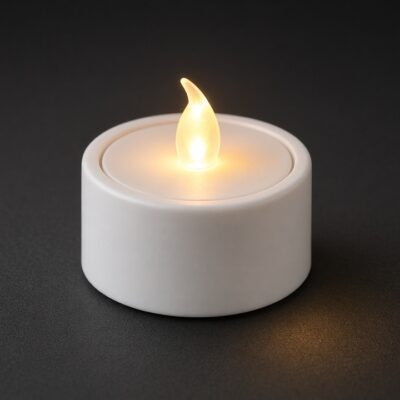
LED tealight
$0.99 Add to cart -
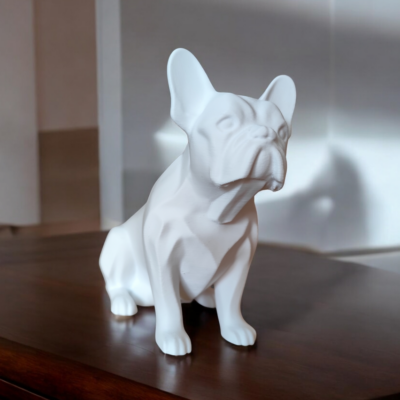
Sitting French bulldog
$28.99 Choose colour This product has multiple variants. The options may be chosen on the product page -
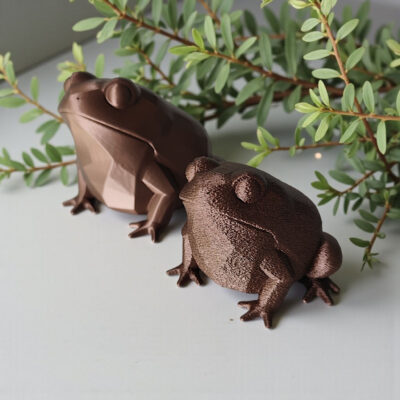
Low-poly frog
$9.99 Select options This product has multiple variants. The options may be chosen on the product page -
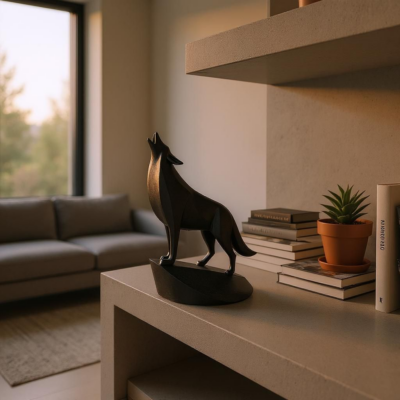
Minimalist wolf on a base
$11.99 Choose colour This product has multiple variants. The options may be chosen on the product page -
 New
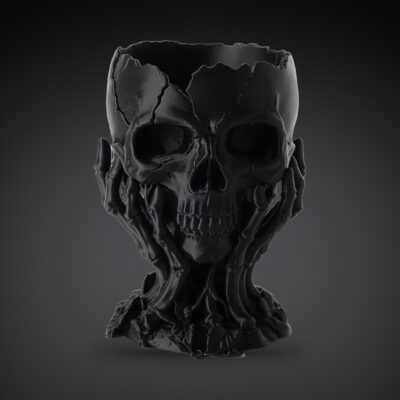
NewSkull planter with finger bones
$46.99 Choose colour This product has multiple variants. The options may be chosen on the product page -
 New
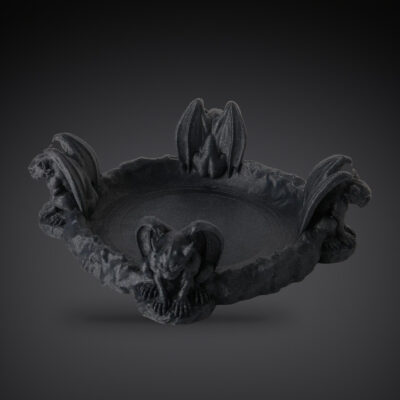
NewGargoyle jewellery tray – gothic trinket dish
$32.99 Choose colour This product has multiple variants. The options may be chosen on the product page -
 New
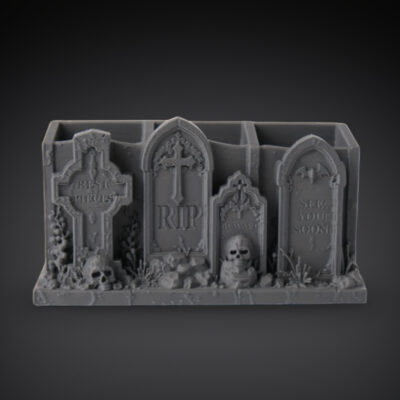
NewTombstone organizer – Halloween graveyard
$36.99 Choose colour This product has multiple variants. The options may be chosen on the product page -
 New
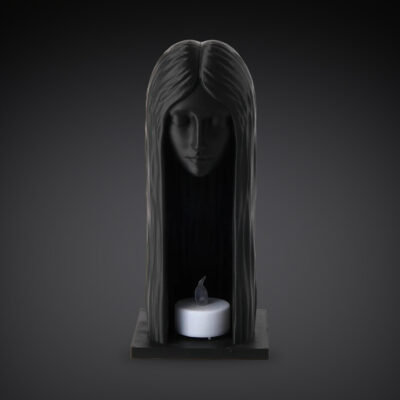
NewGothic lady tealight holder – LED light
$20.99 Choose colour This product has multiple variants. The options may be chosen on the product page